

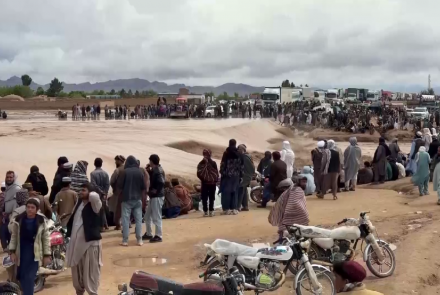
Heavy rainfall and devastating floods in recent weeks have upended the lives of hundreds of families in Afghanistan.
The National Disaster Management Authority says the number of people died and injured by these floods has reached nearly 440.
In addition, hundreds of homes have been completely or partially destroyed, and thousands of jeribs of agricultural land have been damaged.
Mohammad Yousuf Hamad, spokesperson for the authority, presenting updated figures said: “The National Disaster Management Authority, based on provincial reports collected from the 6th of Hamal until now, announces that due to rainfall, floods, earthquakes, roof collapses, lightning, and other natural events, unfortunately 189 people have died, 252 have been injured, and 9 are missing.”
These floods have not only damaged local infrastructure but have also made access to shelter, clean drinking water, and food difficult for many families.
Gul Mohammad, one of the affected residents, said: “These rains swept away everything we had, and our house has been completely destroyed.”
Another affected resident, Mohammad Sharif Attaee, called for greater government support: “Our request from the government is to pay attention to Jaghatu district of Maidan Wardak during the rainy season, because the people’s economy here is very weak.”
The recent floods have once again highlighted the importance of preparedness and effective disaster management.
Some experts believe that establishing early warning systems, resilient infrastructure, and proper risk-reduction planning could help prevent similar losses in the future.
The Chamber of Agriculture and Livestock warns that the destruction of farmland could have long-term economic consequences for rural families.
Waseem Safi, Executive Director of the Chamber, said: “We expect the Islamic Emirate of Afghanistan, along with the private sector, to jointly work with aid and donor organizations to implement programs that support farmers affected by floods and prevent further losses.”
Afghanistan is among the countries highly vulnerable to climate change, and the recurrence of such events shows that without proper planning and preventive measures, the risk of human and financial losses will remain high.
Source: TOLO News