


The suspension of Pakistan–Afghanistan trade since 10 October 2025 has created mounting economic pressure, particularly for Afghanistan, which depends on Pakistan for 41% of its exports and 14% of its direct imports. While Pakistan’s macroeconomic exposure remains modest—an estimated 0.5% (US$150–160 million) reduction in annual exports if the closure continues through year-end—the repercussions are more pronounced at the sector and company level. Key exporters such as PABC and North-based cement manufacturers face significant declines in sales and rising input costs due to the loss of Afghan coal supply, while pharmaceutical exporters may encounter temporary disruptions.
Amid returning Afghan refugees, rising inflation, declining aid flows, and recent natural disasters, Afghanistan’s demand for imports is increasing, making a prolonged shutdown of the border economically unsustainable. Ensuring smooth trade and transit is key to regional stability, and hence interventions are needed to prevent further economic fallout, say the experts.
Read more in this report by JS Global.
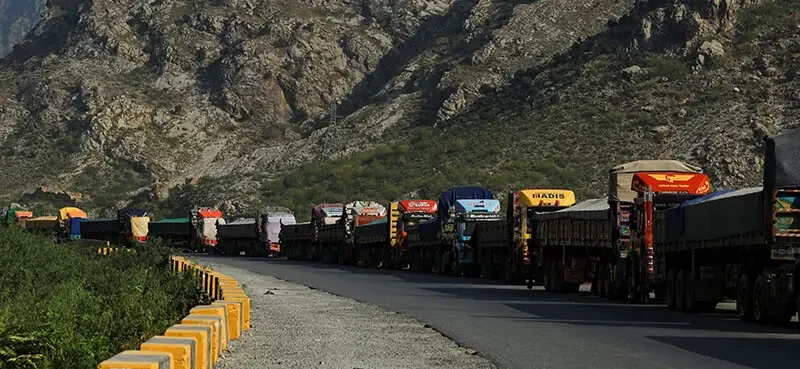
Pakistan–Afghanistan Border Closure: Economic Impact at a Glance
Related Post

US diplomat Alice Wells arrives to discuss Afghan peace
November 06, 2018 US Ambassador Alice Wells arrived in Islamabad on Tuesday to hold meetings with senior officials of the foreign ministry

Pakistan defense minister says talks with Taliban have failed to yield results
Pakistan’s defense minister, Khawaja Asif, said efforts to resolve security disputes with the Taliban through dialogue have failed, arguing that

How Not to Engage With Pakistan
President Trump’s decision last week to suspend almost all security aid to Pakistan, which quickly followed his accusation that Pakistan

Mattis is out, and Blackwater is back: ‘We are coming’
December 21, 2018. Secretary of Defense Jim Mattis is out. Mattis’ resignation comes amid news that President Donald Trump has
Silent Expulsions: Human Cost of Pakistan’s Refugee Crackdown
By Shahana Naseer Pakistan has been a major refuge for Afghan refugees, hosting millions over the years. The influx began