
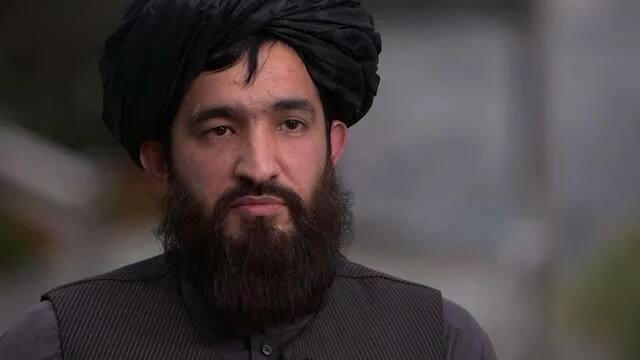
A Taliban delegation attended talks in Brussels on migration and consular services after receiving a one-day Belgian visa, marking the group’s first known visit to European Union institutions since returning to power in Afghanistan.
Abdul Qahar Balkhi, spokesperson for the Taliban’s foreign ministry, said the delegation traveled to Brussels at the invitation of the European Union and focused discussions on expanding consular services for Afghan citizens living in EU member states.
Balkhi said the Taliban had initially delayed the visit and later agreed to a brief one-day trip because of what he described as logistical, security and protocol considerations raised by Belgian authorities.
The visit comes after reports that Belgium issued geographically restricted visas valid for only one day. European officials have stressed that the meeting was a technical discussion on migration issues and does not constitute recognition of the Taliban government.
The talks have drawn strong criticism from human rights organizations, Afghan activists and some European lawmakers. Critics argue that engagement with the Taliban risks granting political legitimacy to a government accused of widespread human rights violations, particularly against women and girls.
Fereshta Abbasi previously said the invitation sent the wrong message at a time when conditions inside Afghanistan continue to deteriorate. Meanwhile, Hannah Neumann argued that there is no such thing as a purely technical dialogue with the Taliban and that official meetings inevitably carry political significance.
Afghan communities across Europe also organized protests against the visit, calling on European institutions to avoid formal engagement with Taliban representatives and to prioritize human rights concerns in any future contacts.
The controversy comes as Afghanistan remains in a severe humanitarian and human rights crisis. The United Nations and international aid agencies have repeatedly warned that millions of Afghans require humanitarian assistance, while economic hardship, unemployment and restrictions on civil liberties continue to affect daily life across the country.
Since returning to power in 2021, the Taliban have imposed sweeping restrictions on women and girls, including bans on secondary and university education, limits on employment and severe restrictions on public participation. These policies have been widely condemned by the United Nations, Western governments and international rights groups.
European governments have faced growing pressure to manage migration and deportation policies involving Afghan nationals while balancing security concerns with warnings from rights organizations that many returnees could face significant risks if sent back to Afghanistan.
Source: Khaama Press