
Foreign Minister Ishaq Dar revealed on Saturday that Islamabad held back from striking terrorist sanctuaries inside Afghanistan during a planned cleanup operation after a direct intervention by Qatar’s leadership.
Dar said Islamabad was on the verge of launching a kinetic action that “would have surely taught them a lesson”, but ultimately chose to pull back in favour of diplomacy at the request of the friendly Gulf nation.
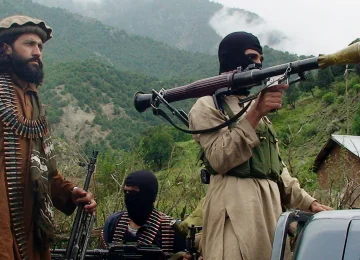
Speaking at the Ministry of Foreign Affairs, he said Afghanistan’s rulers had misread Islamabad’s restraint as incapacity, warning that Pakistan possessed “ample kinetic capabilities” but would not prefer “to invade a brotherly country”.
“The situation was possibly leading to that stage when this issue began. Qatar is a country whose foreign ministry was contacting me hourly at that time,” he said, adding that Qatar’s prime and foreign minister called him “every hour”.
“They found out that we were about to take kinetic action. They requested that ‘please stop your side and we will mediate, take responsibility and get the issue resolved.'”
Dar thanked the prime minister and army chief for endorsing his position, saying, “the cleanup operation that was about to happen that night – that would have surely taught them a lesson – was stopped”.
Despite Qatar and Turkiye’s efforts, nothing tangible emerged from talks, leaving even the mediators “frustrated”, he added.
The revelations come as ties between Islamabad and Kabul’s Taliban regime have sunk to their lowest level since the group seized Kabul four years ago.
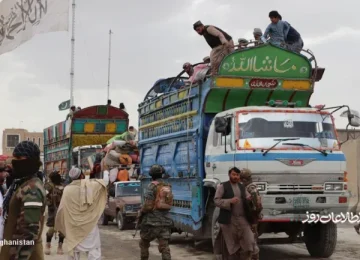
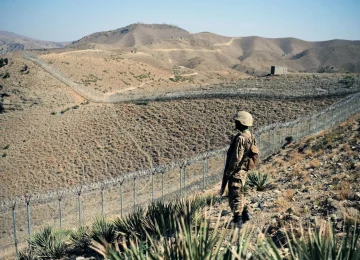
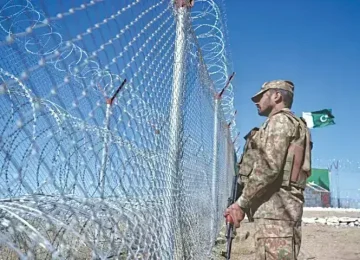
All formal border crossings have stayed sealed since October 11, halting cross-border commerce and mobility after a series of ground engagements and Pakistani aerial strikes along the 2,600-kilometre boundary against the terrorist sanctuaries responsible for the recent rise in terror activities in Pakistan.
In the aftermath, diplomatic triage was attempted by Turkiye and Qatar. The first Doha engagement yielded a tenuous ceasefire, whereas the subsequent round in the Qatari capital resulted merely in a broad pledge to create a mechanism for “verifying compliance” and a decision to persevere with dialogue. However, the third sitting sputtered out without any breakthrough after the regime’s representatives remained obdurate.
Tensions escalated once again after Kabul levelled allegations of fresh Pakistani aerial attacks earlier this week, accusations vehemently denied by Pakistan’s security establishment and government ministers.
Referring to attacks carried out by Afghan nationals, including the killing of two US National Guards and assaults on Chinese workers in Tajikistan, Dar, speaking at Saturday’s presser, warned, “the time is not far when Muslims and non-Muslims will unite to eliminate this terrorism”.
He urged the Taliban to recognise internal divisions between “peacemakers and warmongers” and reform before the region is forced into harsher solutions.
He also said he was working on a UN request to resume humanitarian aid deliveries into Afghanistan, and had secured the army chief’s consent, with only the prime minister’s formal approval remaining.
SOURCE: Express Tribune