

The suspension of Pakistan–Afghanistan trade since 10 October 2025 has created mounting economic pressure, particularly for Afghanistan, which depends on Pakistan for 41% of its exports and 14% of its direct imports. While Pakistan’s macroeconomic exposure remains modest—an estimated 0.5% (US$150–160 million) reduction in annual exports if the closure continues through year-end—the repercussions are more pronounced at the sector and company level. Key exporters such as PABC and North-based cement manufacturers face significant declines in sales and rising input costs due to the loss of Afghan coal supply, while pharmaceutical exporters may encounter temporary disruptions.
Amid returning Afghan refugees, rising inflation, declining aid flows, and recent natural disasters, Afghanistan’s demand for imports is increasing, making a prolonged shutdown of the border economically unsustainable. Ensuring smooth trade and transit is key to regional stability, and hence interventions are needed to prevent further economic fallout, say the experts.
Read more in this report by JS Global.
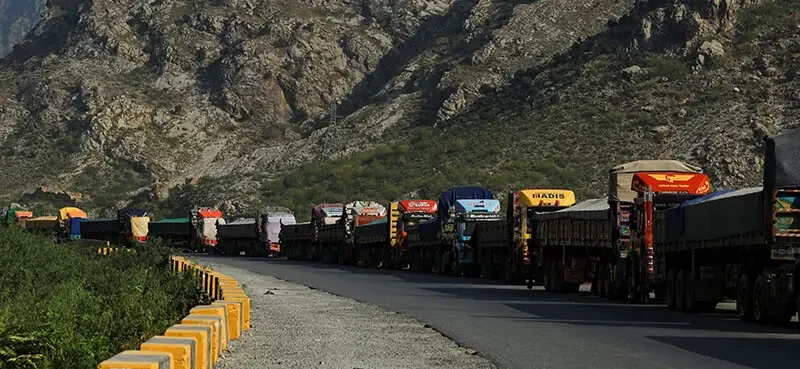
Pakistan–Afghanistan Border Closure: Economic Impact at a Glance
Related Post
Afghanistan’s private sector reports millions in losses from two-day internet blackout
Afghanistan’s private sector says the nationwide two-day disruption of internet and telecommunication services has caused millions of dollars in economic
[Video] Former Minister Mohammed Umer Daudzai on Afghanistan’s Challenges after signing the peace deal
February 14, 2020 Former Minister Mohammed Umer Daudzai, who remained President Ashraf Ghani’s Special Envoy for Regional Consensus Building on
Islamabad welcomes Afghan Presidential elections’ preliminary results
December 24, 2019 Pakistan has reiterated its support for Afghanistan’s democratic process and stressed that completion of presidential elections is

Kharlachi border crossing reopens between Afghanistan and Pakistan
The Kharlachi border crossing between Pakistan and Afghanistan has reopened after seven months of closure due to ethnic tensions. Officials

[Video] Pompeo admits that CIA ‘lies, cheats, and steals’
Date: April 24, 2019April 23, 2019 US Secretary of State Mike Pompeo, while speaking at an event, admitted that the