
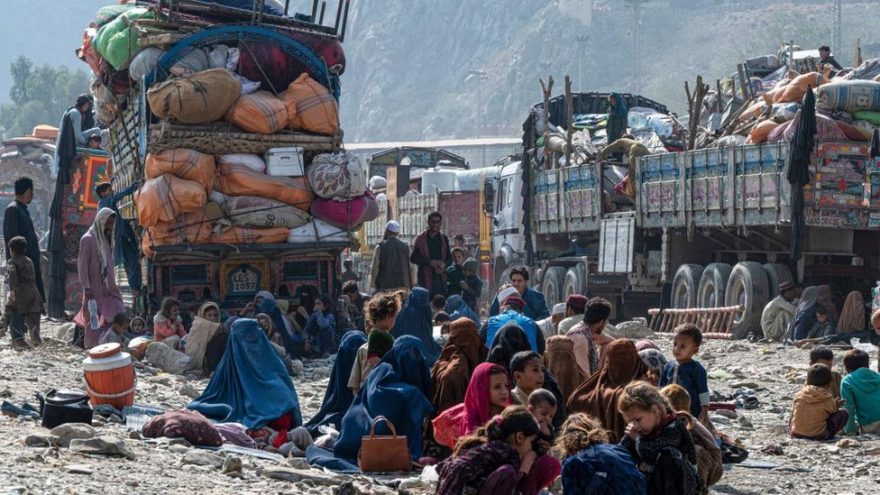
UNHCR has urged Pakistan to stop deporting vulnerable Afghan refugees, warning that forced returns, especially of women, girls, and the ill, could violate basic human rights and protections.
The United Nations High Commissioner for Refugees (UNHCR) has expressed serious concern over Pakistan’s decision to deport Afghanistan’s refugees holding temporary residence permits, calling for the protection of vulnerable individuals.
In a statement released on Wednesday, August 6, UNHCR urged the Pakistani government to refrain from deporting Afghans in need of international protection. It specifically highlighted the risk to women and girls, warning that forced returns could expose them to severe violations of their fundamental rights under the Taliban regime.
The agency also appealed to Pakistan to exempt students and those with medical conditions from deportation, recognizing their particular vulnerability and need for continued support.
While UNHCR welcomed Pakistan’s decision to offer a one-month grace period before enforcement begins, it emphasized the importance of using this time to assess individual cases and uphold humanitarian principles.
According to the UN, more than 2.1 million Afghans have returned, or been forced to return, to Afghanistan so far in 2025, including at least 352,000 individuals deported from Pakistan.
Pakistani authorities have set September 1, 2025, as the deadline to begin the expulsion of Afghan refugees holding expired or temporary documentation, as part of the country’s broader strategy to address irregular migration.
UNHCR continues to call on Pakistan and other host countries to respect international legal obligations, particularly the principle of non-refoulement, which prohibits returning refugees to places where their lives or freedoms may be at risk.
With humanitarian conditions rapidly deteriorating in Afghanistan, the agency is urging a coordinated and rights-based approach to ensure that displaced Afghans, especially women, children, and the ill, are treated with dignity and protected from further harm.
Source: Khaama Press